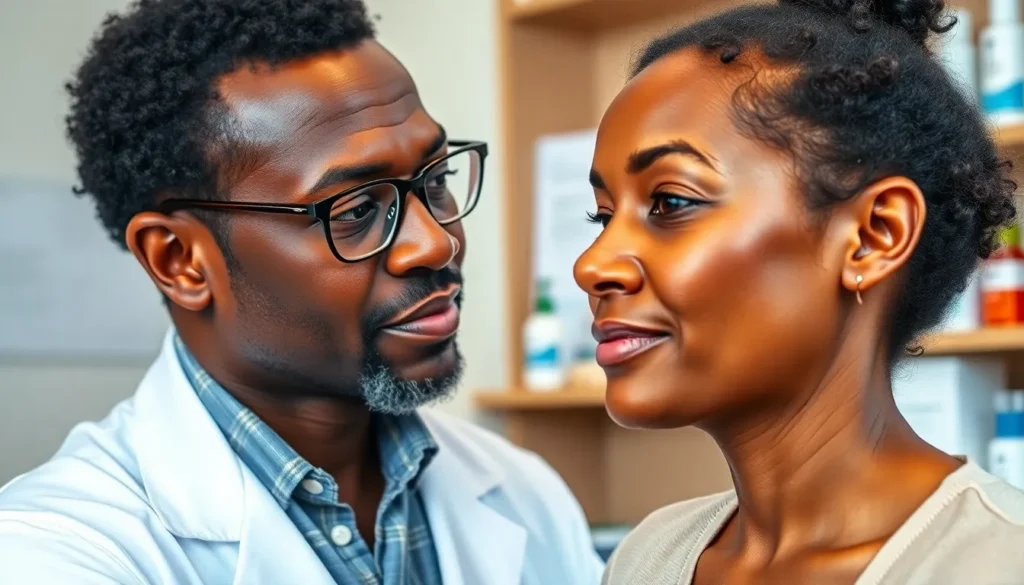
Rosacea affects many people, but its symptoms can vary by skin type. This article focuses on rosacea on brown skin. Understanding how rosacea manifests in this skin type is crucial for effective diagnosis and treatment. We’ll explore symptoms, causes, diagnosis, treatment options, prevention strategies, and coping mechanisms.
Key Takeaways
- Rosacea affects individuals with brown skin differently, often leading to less noticeable redness and instead, dark patches or texture changes.
- Common symptoms of rosacea include facial redness, bumps, dry skin, and visible blood vessels, which may present uniquely on brown skin.
- Diagnosis of rosacea involves a comprehensive examination by a dermatologist to distinguish it from similar skin conditions.
- Effective treatment options for rosacea include topical treatments, oral medications, laser therapy, and lifestyle changes to avoid triggers.
- Implement a thoughtful skincare routine with gentle cleansing, regular moisturizing, and sunscreen use to manage rosacea symptoms on brown skin.
Key Takeaways
- Rosacea on brown skin may present differently, with symptoms like redness appearing as darker or purplish hues.
- Understanding personal triggers, such as hot drinks and spicy foods, is crucial for preventing rosacea flare-ups.
- Topical medications and oral antibiotics are common treatment options to manage rosacea and reduce inflammation.
- An accurate diagnosis of rosacea in individuals with brown skin requires careful examination due to varying symptoms across skin tones.
- Daily sunscreen and gentle skincare products play a key role in maintaining skin health and preventing irritation.
Understanding Rosacea
Rosacea is a common skin condition. It causes redness and inflammation. Typically, it appears on the face. Many people confuse it with acne or allergies. This misunderstanding can delay proper treatment.
Symptoms of Rosacea in Brown Skin
Symptoms of rosacea on brown skin can be subtle. The most common sign is redness, often around the nose and cheeks. People may also notice small, red bumps. In darker skin tones, the redness may appear more as a darker or purplish hue. Itchiness and burning sensations can occur, making the condition uncomfortable.
Causes and Triggers of Rosacea
The exact cause of rosacea is not known. Genetics may play a role in its development. Environmental factors can also trigger symptoms. Common triggers include hot drinks, spicy foods, and extreme temperatures. Stress and certain skincare products can worsen the condition as well.
Diagnosis of Rosacea in People with Brown Skin
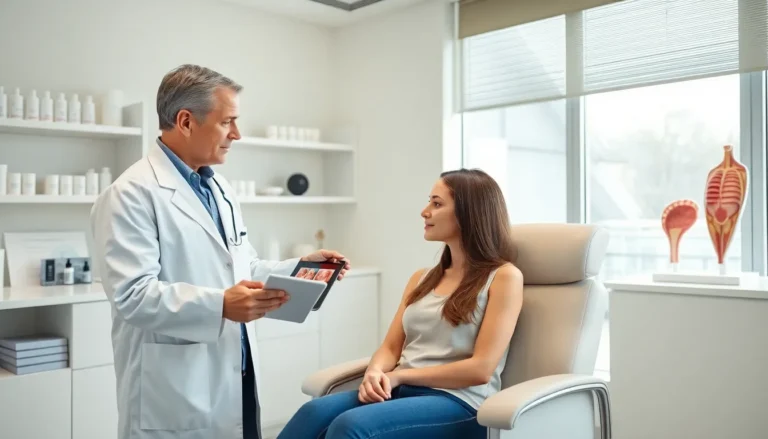
Diagnosing rosacea involves a visual examination of the skin. A dermatologist reviews symptoms and medical history. They may also ask about potential triggers. For those with brown skin, this assessment is crucial. Various skin tones can show different symptoms. So, an accurate diagnosis is key.
Treatment Options for Rosacea
Treatment for rosacea often includes topical medications. Doctors may prescribe gels or creams to reduce redness. Oral antibiotics can help with inflammation. In some cases, laser therapy is an option. This treatment targets visible blood vessels. It can be effective in reducing redness.
Preventing Rosacea Flare-Ups
Preventing flare-ups is vital for managing rosacea. Identifying personal triggers is the first step. Avoiding extreme temperatures and applying sunscreen daily can help. Gentle skincare products are essential for maintaining skin health. It’s important to avoid harsh scrubs that may irritate the skin.
Coping Strategies and Support
Coping with rosacea can be challenging. Joining support groups can provide help. Connecting with others who experience the same condition can offer comfort and shared tips. Also, consulting with healthcare professionals who understand rosacea is vital. They can help with effective management strategies.