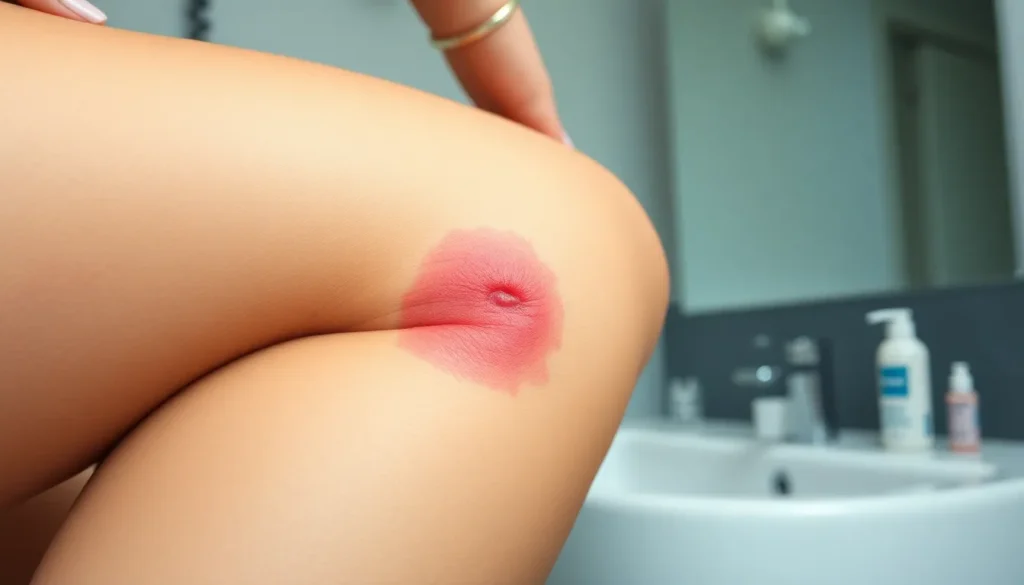
An ingrown hair cyst forms when hair strands grow back into the skin. This condition often causes discomfort and frustration. Knowing how to identify and treat ingrown hair cysts can help prevent complications and improve skin health.
Key Takeaways
- Ingrown hair cysts form when hair grows back into the skin, often causing pain and inflammation.
- Common causes include curly hair, improper shaving techniques, and tight clothing that irritates the skin.
- Signs of an ingrown hair cyst include redness, swelling, pain, and sometimes pus around the affected area.
- Treatment options such as warm compresses and topical treatments can help alleviate symptoms and promote healing.
- Prevent ingrown hair cysts by adopting proper shaving techniques, exfoliating regularly, and wearing loose clothing.
Key Takeaways
- Ingrown hair cysts form when hair grows back into the skin, leading to discomfort and potential infections.
- Common causes include hair removal techniques, curly or thick hair, and wearing tight clothing that irritates the skin.
- Symptoms often include a pus-filled bump, redness, swelling, and tenderness in the affected area.
- Effective treatments range from warm compresses and topical creams to lancing for severe cases.
- Preventing ingrown hair cysts involves proper hair removal methods, regular exfoliation, and wearing loose clothing.
What Is an Ingrown Hair Cyst?
An ingrown hair cyst occurs when a hair follicle becomes trapped beneath the skin. Instead of growing outward, the hair curls back or sideways into the skin. The body reacts by forming a small cyst around the hair. This cyst can become painful and may lead to inflammation. People often notice these cysts in areas where hair is shaved or waxed. Common sites include the beard area, legs, and bikini line.
Causes of Ingrown Hair Cysts
Several factors contribute to the formation of ingrown hair cysts.
- Curly Hair: Individuals with curly or coarse hair are more prone to these cysts. The hair’s texture can increase the chances of it curling back into the skin.
- Shaving Techniques: Improper shaving techniques, such as shaving against the hair growth direction, can exacerbate this issue.
- Tight Clothing: Wearing tight clothing can irritate the skin and push hairs back into the follicles.
- Hair Removal Methods: Methods like waxing or tweezing can also lead to ingrown hairs when hair regrows.
Symptoms and Identification
Ingrown hair cysts present specific symptoms that can help in identifying them. Key signs include:
- Redness: The area around the cyst often appears red or inflamed.
- Swelling: Patients may experience swelling at the site of the cyst.
- Pain or Tenderness: The cyst can feel painful or tender, especially if touched.
- Pus or Fluid: In some cases, pus may accumulate, leading to discharge. If this occurs, it can indicate an infection.
Treatment Options
Several treatment options exist for ingrown hair cysts.
- Warm Compresses: Applying a warm compress can help soothe inflammation. This method encourages the cyst to drain naturally.
- Topical Treatments: Over-the-counter creams can reduce inflammation and infection risk. Look for creams containing hydrocortisone or salicylic acid.
- Avoid Picking: It is crucial not to pick at the cyst. This behavior can lead to infection and further irritation.
- Professional Removal: If a cyst does not improve, a healthcare provider may need to drain it or remove it surgically.
Prevention Tips
Preventing ingrown hair cysts is possible with a few simple tips. Consider the following:
- Proper Shaving Techniques: Use a sharp razor and shave in the direction of hair growth. This practice minimizes the chance of hair curling back.
- Exfoliation: Regularly exfoliate skin to remove dead skin cells. This step can help prevent hair from getting trapped.
- Moisturizing: Keep the skin well-moisturized. Hydrated skin can help reduce the risk of ingrown hairs.
- Looser Clothing: Wear loose-fitting clothing to minimize irritation on shaved or waxed areas.
When to See a Doctor
In certain situations, it is essential to consult a healthcare professional about ingrown hair cysts. Consider seeking medical advice if:
- The cyst becomes increasingly painful or does not improve with home treatments.
- There are signs of infection, such as fever or increased redness.
- A cyst keeps returning even though preventive efforts.